
Layering Throws and Cushions: A Complete Guide
Master the art of combining textures and colours to create depth without permanent changes. Learn the three-layer technique that works in any space.
Why Layering Makes All the Difference
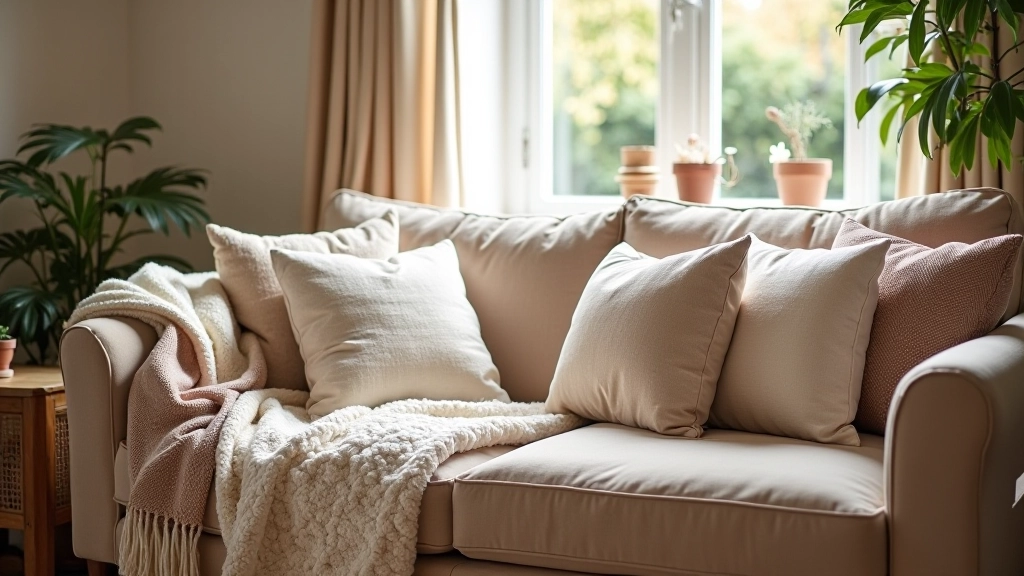
There's something instantly welcoming about a sofa that's properly layered. It's not just about throwing things on top of each other — it's a technique. When you layer throws and cushions strategically, you're creating visual interest, adding warmth, and transforming a plain seating area into somewhere you actually want to sink into.
The best part? You don't need to buy a whole new sofa or commit to permanent changes. Throws are removable. Cushions can be swapped out seasonally. If you're renting, this is your secret weapon for making a space feel truly yours without upsetting your landlord.
The Three-Layer Foundation
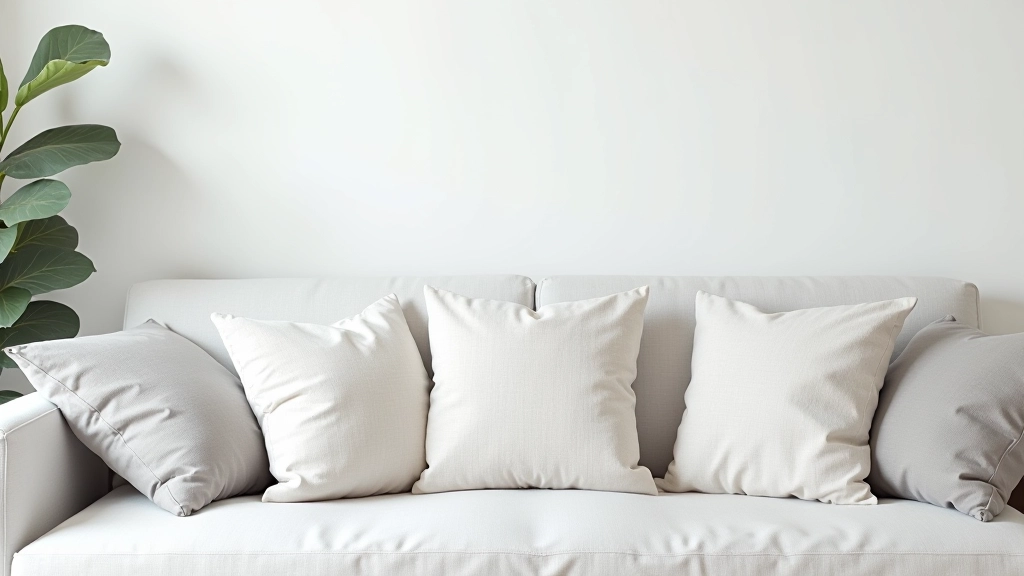
Start simple. You're building a visual foundation, not a fortress. Layer one is your base — typically two larger cushions (around 45-50cm) placed at the back of the sofa. These sit flush against the cushions themselves and provide structure. You'll want these in a neutral tone that matches your room: cream, grey, charcoal, or taupe work brilliantly.
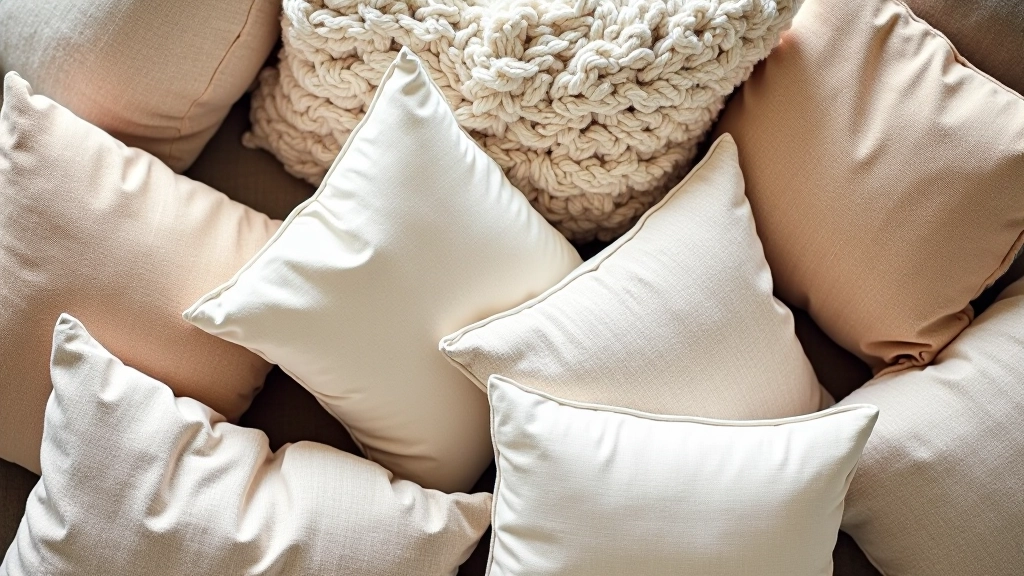
Layer two adds texture. This is where things get interesting. Choose cushions in different fabrics — a chunky knit, velvet, or linen. Keep them the same colour family but different tactile qualities. Place two medium cushions (around 40cm) in front of your base layer, angled slightly forward. They should overlap just a touch — not look like a neat row.
Layer three? The accent. A smaller cushion — 30cm or less — in a contrasting colour or pattern. This catches the eye. One's enough. Place it off-centre, slightly to one side. This asymmetry is what makes it feel intentional rather than decorated.
Draping Throws for Maximum Impact
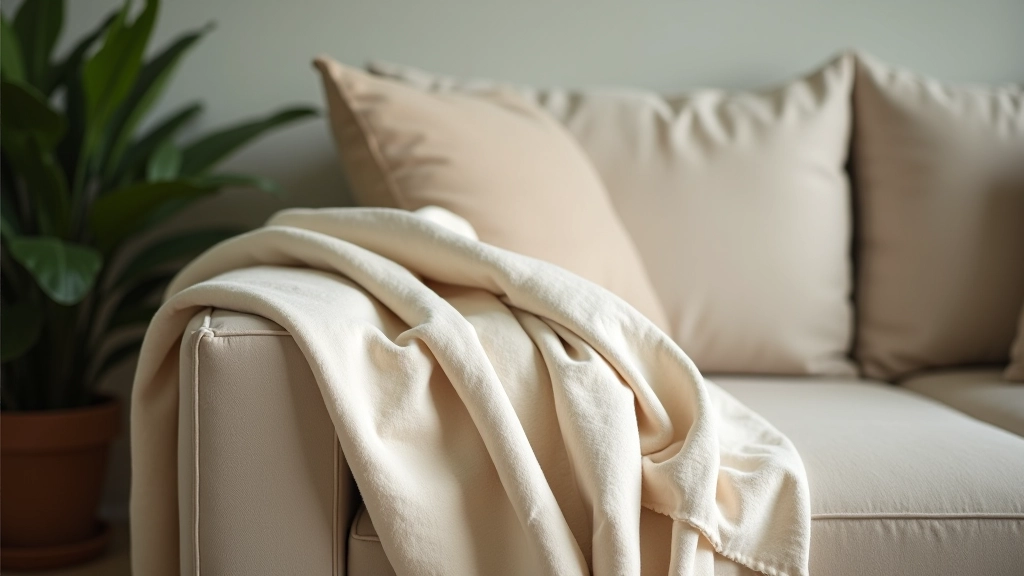
A throw isn't just for warmth — though it'll do that brilliantly. It's a visual anchor. The technique here is all about movement. Don't fold it neatly. Drape it asymmetrically over one arm of the sofa, letting some of the fabric pool slightly on the seat. This creates a relaxed, lived-in look that's far more appealing than a perfectly folded rectangle.
Colour-wise, your throw can either complement or contrast. A cream throw over a grey sofa? Harmonious and calming. A deep navy or burgundy over neutral cushions? Bold and dramatic. You're not locked in — that's the beauty. Rotate your throws with the seasons. Lightweight cotton in summer, chunky knits in winter. The same sofa transforms throughout the year.
Size matters too. A throw should be at least 120cm x 150cm — large enough to drape properly without looking mean. If you've got a sectional, you might want two smaller throws rather than one large one, creating distinct zones.
Choosing Colours and Textures That Work
Here's where it gets genuinely fun. You're not limited to matchy-matchy. In fact, that's boring. The trick is understanding colour relationships. Analogous colours — those next to each other on the colour wheel — feel harmonious. Warm terracotta with burnt orange and ochre. Cool greys with soft blue and sage green. They naturally belong together.
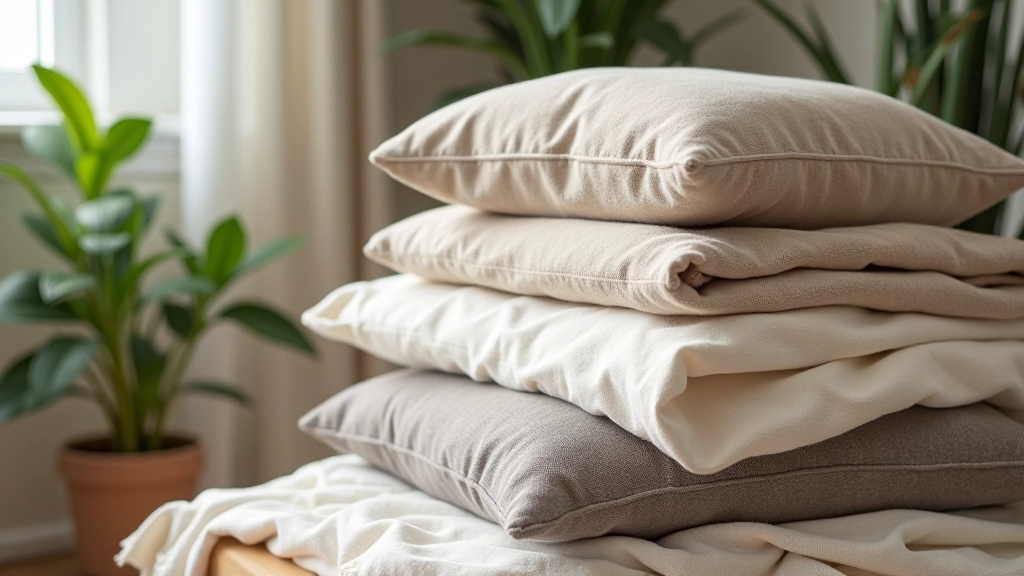
Textures do the heavy lifting when your colours are similar. A charcoal linen cushion next to a charcoal velvet throw next to a charcoal chunky knit? Each one looks different because of how light hits it. That's visual interest without chaos. Mix rough with smooth, matte with subtle sheen, loose weave with tight weave.
Pro tip: The 60-30-10 rule works brilliantly. 60% of your layering should be your dominant colour (typically neutral), 30% a secondary colour, and 10% an accent. This keeps things balanced without feeling random.

Practical Tips That Actually Work
Start With What You Have
You don't need to buy anything new. Look at cushions from your bedroom, blankets from the cupboard, scarves you don't wear. Layer them first, then decide what's actually missing.
Odd Numbers Feel Natural
Three cushions looks intentional. Five looks carefully curated. Two or four can feel symmetrical and staged. Go odd, even if it feels slightly wrong at first.
Rotate Seasonally
Heavy wools in winter, lightweight cottons in summer. Your throws and cushions should change with the seasons. It keeps your space feeling fresh without major investment.
Mix High and Low
You don't need designer cushions. Mix a quality throw from a decent brand with budget cushions from high street shops. No one can tell the difference once it's all layered.
Disclaimer: The suggestions in this guide are based on common interior design practices and personal styling experience. Individual results depend on your specific space, furniture, and personal preferences. Always check fabric care instructions before purchasing throws and cushions, particularly if you have pets, children, or specific cleaning requirements. Colours may appear differently depending on your lighting conditions and screen display. We recommend testing colour combinations in your actual space before making larger purchases.
Creating Your Perfect Layered Look
Layering throws and cushions isn't complicated, but it does require a bit of intentionality. You're not just throwing things on a sofa — you're creating a focal point. You're saying "I've thought about this space." And honestly, that's what makes a house feel like a home.
Start with the three-layer foundation, add a throw with confidence, play with textures and colours, and don't overthink it. If something doesn't work, swap it out. That's the whole point. Your space should evolve as you figure out what makes you comfortable, what colours make you happy, what textures you actually want to touch every day.
And if you're renting? This technique is your secret weapon. You're creating a space that's entirely yours without breaking your tenancy agreement. That's powerful.