
Indoor Plant Styling for British Homes
Bring life and warmth to your rooms with strategically placed greenery. We'll show you which plants thrive indoors and how to arrange them for maximum impact.
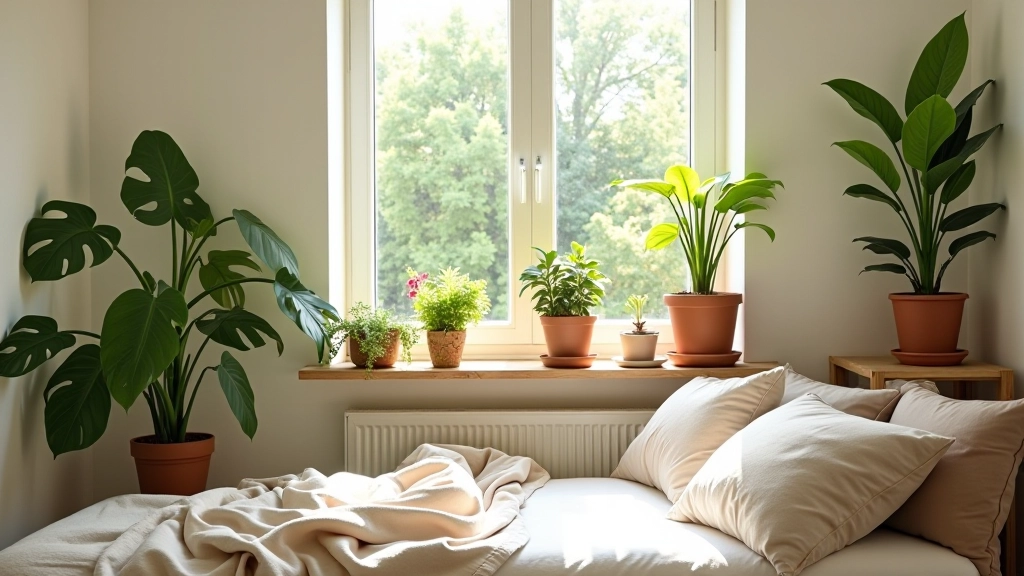
Plants aren't just decoration—they're the easiest way to transform a flat or house without touching the walls. British homes tend to be quite dark and compact, which sounds limiting. But it's not. You'll be surprised what grows happily on a shelf in Manchester rain or a London flat with northern light.
The trick isn't having a secret green thumb. It's picking the right plants for your actual space, understanding light levels (which are crucial here), and arranging them so they actually look intentional. Most people scatter plants around randomly and wonder why it feels chaotic. We're going to show you a better approach.
Why Plants Matter in UK Homes
- Improve air quality in rooms that often feel stuffy
- Add colour and texture without permanent changes
- Work perfectly for renters and homeowners alike
- Create focal points that draw the eye naturally
Understanding Light in Your Space
Light is everything when it comes to plants indoors. British homes don't get the intense sun that Mediterranean homes do, which means you've got to be realistic about what each room can support. Walk around your home at different times of day. Notice where sunlight actually hits the floor and for how long.
North-facing rooms? You're looking at low, indirect light all day. That's fine—monstera deliciosa and pothos thrive in these conditions. South-facing windows get stronger light, especially in summer. East and west-facing rooms are your sweet spot. They get morning or afternoon sun without the harshness.
Don't guess. Spend a week observing. If a plant looks pale and leggy after a month, it's not getting enough light. Move it closer to a window or try a different room. Plants won't sulk—they'll just tell you straight away what they need.
Plants That Actually Work in British Homes
Forget fussy orchids. We're talking about plants that'll forgive you when you forget to water them for a week because life got busy.
Monstera Deliciosa
Tolerates low light, grows quickly, and looks impressive. Water when the soil feels dry 2 inches down. It'll handle central heating and variable humidity.
Pothos (Devil's Ivy)
Nearly indestructible. Trails beautifully from shelves or climbs up moss poles. Low light? It doesn't care. Forgets water? Still survives.
Snake Plant (Sansevieria)
Architectural shape, barely needs watering, handles neglect. Adds height without taking up much space. Perfect for corners.
Philodendron
Similar to monstera but slightly more compact. Works in medium light, doesn't need frequent watering. Quieter than monstera but equally reliable.
Plant Care Note
The plant care guidance in this article is educational information based on common growing practices. Individual plants respond differently depending on your specific home conditions—light levels, humidity, heating systems, and watering habits. We recommend observing your plants closely and adjusting care as needed. If you're unsure about specific plant needs, consult a local garden centre or plant care specialist who understands British home conditions.
Styling Your Plants with Purpose
Here's where it stops being about keeping plants alive and starts being about making your space look intentional. Random plants on random shelves look cluttered. Plants grouped with thought look like design.
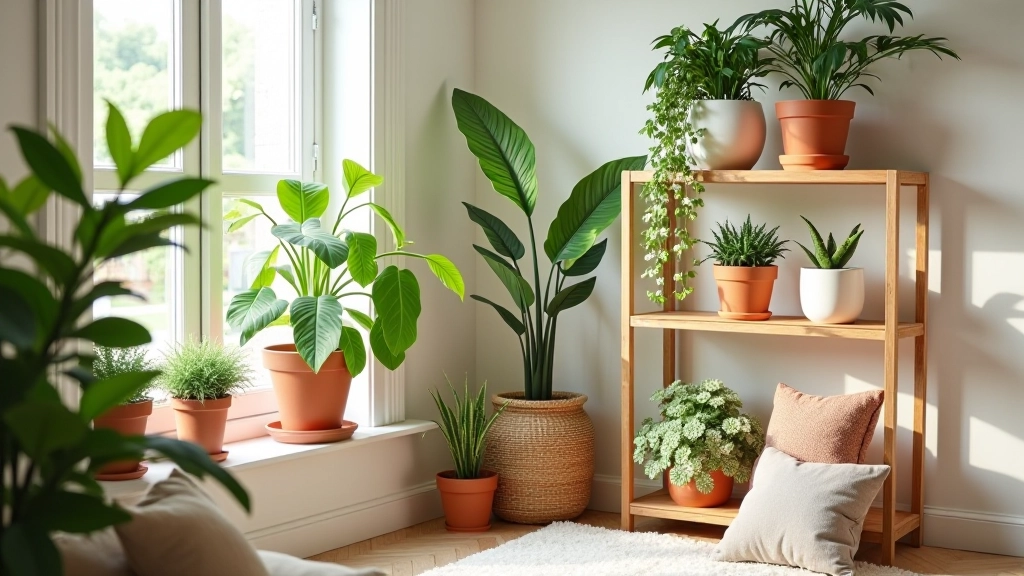
Start with odd numbers—three plants, five plants, seven. This isn't just a design rule, it's how our eyes actually process visual balance. A trio of plants at different heights creates rhythm. Two plants just looks accidental.
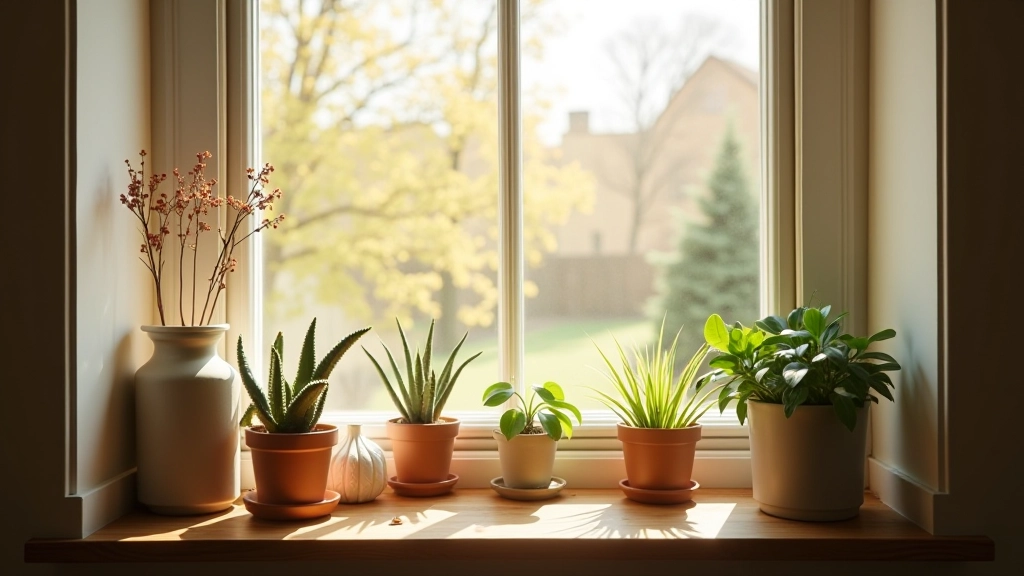
Vary heights dramatically. A tall monstera next to two low pothos creates visual interest. Use plant stands, floating shelves, or stacked books to achieve this. Don't line everything up at eye level like it's a shop display.
Mix pot styles but keep them cohesive. All terracotta looks earthy. All white ceramic looks minimal. Mixing terracotta with white ceramic with woven baskets looks curated and intentional. The rule: limit yourself to 3 pot colours maximum in any single room.
Related Articles

Your Space Is Ready for Plants
Plants don't have to be complicated. Start small—pick three plants that match your light conditions, group them with intention, and see what happens. You'll notice the difference immediately. Your room becomes warmer, more alive, and genuinely yours.
British homes are perfect for plants when you stop fighting against the light you actually have and work with it instead. And if you're renting? Even better. Plants are one of the most temporary, removable ways to make a space feel like home. Move them out whenever you leave.
Start with monstera or pothos. Water when the soil feels dry. Enjoy the green. That's really all there is to it.